
Common Trash Can Buying Myths That Cost Organizations Money
Posted by Securr Blogger on
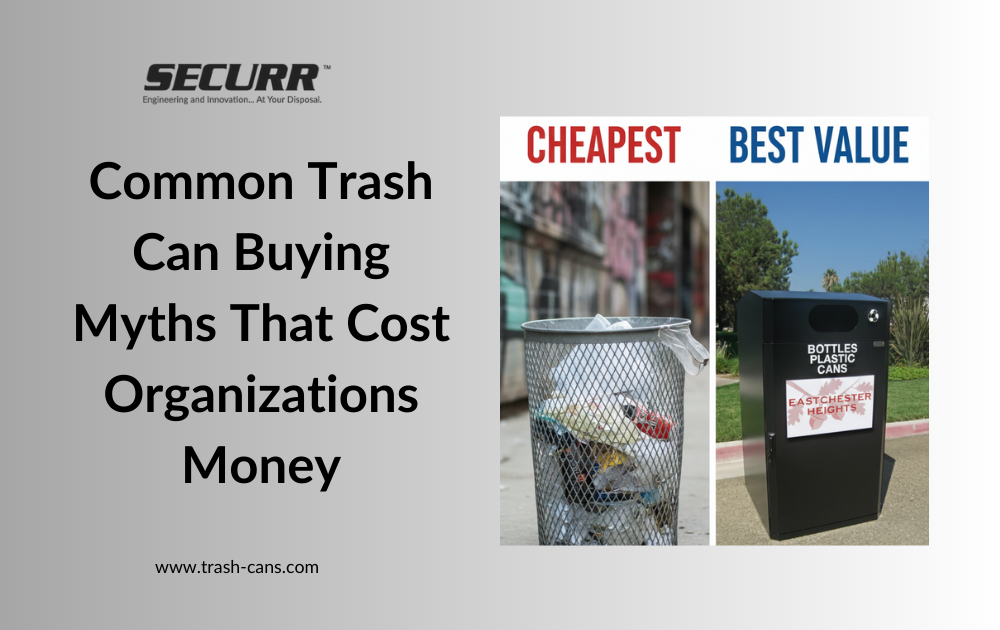
When organizations shop for waste solutions, trash cans often seem like a simple, low-risk purchase. In reality, buying the wrong trash cans can quietly drain budgets, create safety issues, and increase long-term operational costs.
As a leading trash can manufacturer, Securr works with municipalities, facilities managers, schools, and commercial organizations every day—and we see the same misconceptions repeatedly. Let’s break down the most expensive trash can buying myths and explain how to avoid them.
Myth #1: The Cheapest Trash Can Is the Best Value
One of the most common mistakes organizations make is prioritizing upfront price over long-term performance.
Low-cost trash cans are often made with thin materials that:
-
Crack or warp in extreme weather
-
Corrode quickly in outdoor environments
-
Require frequent replacement
What looks like a budget win becomes a recurring expense.
The reality:
A high-quality trash can from a reputable trash can manufacturer delivers a lower total cost of ownership. Durable construction, weather resistance, and vandal-resistant designs dramatically reduce replacement and maintenance costs over time.
Securr advantage:
Securr trash can enclosures are engineered for heavy public use, making them ideal for cities, campuses, and commercial properties that need reliability—not constant replacements.
Myth #2: All Outdoor Trash Cans Are Durable Enough
Many buyers assume that if a trash can is labeled “outdoor,” it can handle real-world conditions. Unfortunately, not all outdoor trash cans are built the same.
Common durability oversights include:
-
Weak frames that bend or loosen
-
Poor ventilation leading to odor buildup
-
Inadequate protection against vandalism or wildlife
The reality:
True durability comes from thoughtful design, reinforced materials, and proven manufacturing standards—hallmarks of an experienced trash can manufacturer.
Example:
The Securr CG95-ADA Outdoor Trash or Recycle Cart Garage is designed to securely house standard city trash and recycling carts, protecting them from weather, tampering, and visual clutter.
This type of enclosure extends the life of carts while improving site appearance—something flimsy alternatives can’t achieve.
Myth #3: One Size Fits All
Sizing mistakes are another costly issue. Organizations often choose trash cans based on appearance alone, without considering actual waste volume or usage patterns.
Common sizing errors:
-
Trash cans that overflow too quickly
-
Oversized units that waste space and complicate servicing
-
Incompatible enclosures for standard city carts
The reality:
Proper sizing depends on foot traffic, pickup frequency, and container compatibility. A knowledgeable trash can manufacturer helps organizations match capacity to real needs—avoiding overflow, labor inefficiencies, and sanitation complaints.
Securr specializes in trash can enclosures designed specifically for standard municipal carts, ensuring seamless integration with existing waste programs.
Myth #4: Trash Can Design Doesn’t Impact Operations
Design affects far more than aesthetics. Poorly designed trash cans can slow collection, increase labor time, and even create safety hazards.
Well-designed trash can solutions:
-
Improve collection efficiency
-
Reduce employee strain
-
Enhance site cleanliness and compliance
As an established trash can manufacturer, Securr focuses on functionality just as much as durability—helping organizations operate smarter, not harder.
The Bottom Line: Choose the Right Trash Can Manufacturer
Trash cans are long-term infrastructure, not disposable accessories. Partnering with a trusted trash can manufacturer like Securr helps organizations:
-
Reduce replacement costs
-
Improve durability and security
-
Select the correct size and configuration
-
Maintain cleaner, more professional spaces
Talk to a Trash Can Expert
📞 Call: 888.671.7066
📧 Email: sales@securr.com
Securr’s team can help you select the right trash can enclosures and waste solutions for your specific environment.