
News
A Day in the Life of a Municipal Waste Crew
Posted by Securr Blogger on
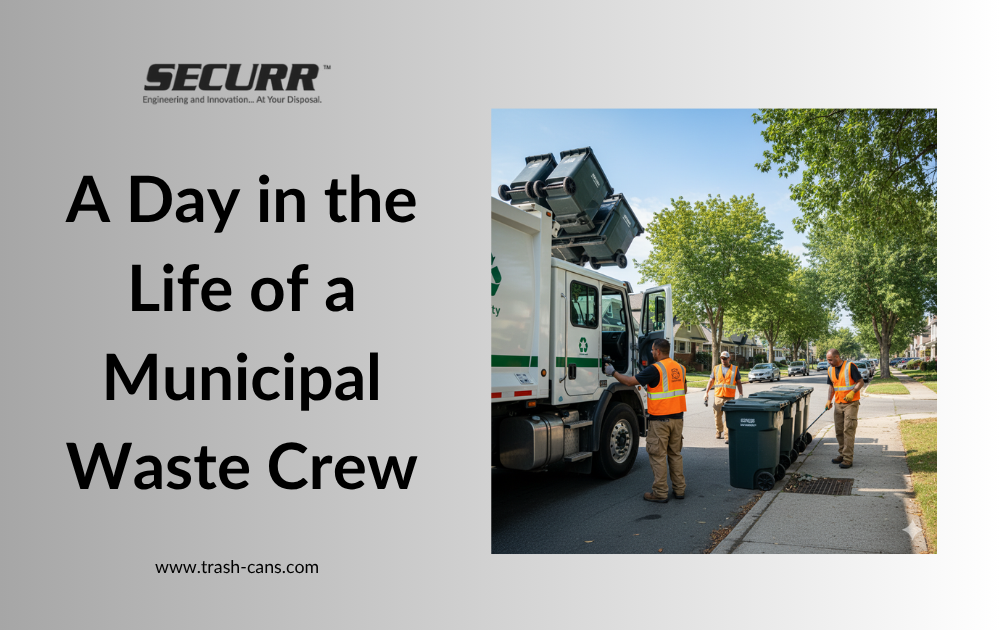
How Securr Trash Cans Help Keep City Waste Crews Safe, Efficient, and Appreciated Before the first hint of sunrise colors the sky, the municipal waste crew is already preparing for the day ahead. Gloves tighten, trucks rumble awake, and familiar teammates check in with quick nods. These are the people who safeguard the city’s cleanliness and public health—often without recognition. Their work is essential, physical, and deeply human. The Morning Rollout Their first route cuts through the downtown corridor, where storefronts lift their shutters and commuters grab early-morning coffee. The crew maneuvers around traffic, working with practiced precision. What makes these early hours more manageable are the thoughtfully designed waste collection points along the streets. Durable Securr trash cans—built by a leading trash can manufacturer known for long-lasting municipal containers—help prevent scattered debris, reduce lifting strain, and keep collection consistent. Smooth-operating access doors and reliable liners add a layer of safety and efficiency the crew depends on. Mid-Morning Challenges By...
From Tin to Tech: A Brief History of the Trash Can
Posted by Securr Blogger on
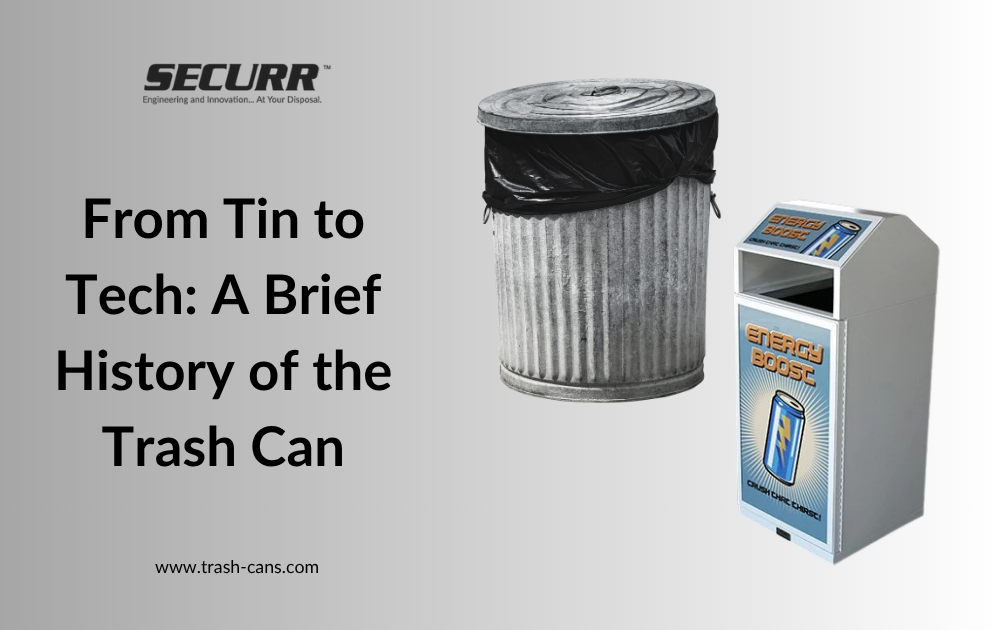
For something that spends its life holding waste, the humble trash can has had quite the glow-up. From crude metal pails to sleek, ADA-compliant smart containers, the evolution of the trash can mirrors our society’s progress in technology, design, and sustainability. The Tin Age: Simplicity Meets Necessity In the early 20th century, trash cans were little more than metal buckets with lids—heavy, clunky, and noisy. They served one purpose: to contain waste. Municipal waste systems were still developing, so these basic bins did the job, even if they were far from elegant or efficient. The Plastic Revolution: Lightweight and Affordable The mid-century brought plastic—a lightweight, rust-proof alternative that changed everything. Plastic bins became the new norm for homes and businesses alike. They were cheap, durable, and easy to clean. For the first time, trash cans became customizable in color, size, and shape—transforming from pure utility to a designed product. The Smart Era: Safety, Sustainability, and Design Fast forward to today,...
Ultimate Guide to Trash Can Coatings: Powder Coat, Galvanized, & More
Posted by Securr Blogger on
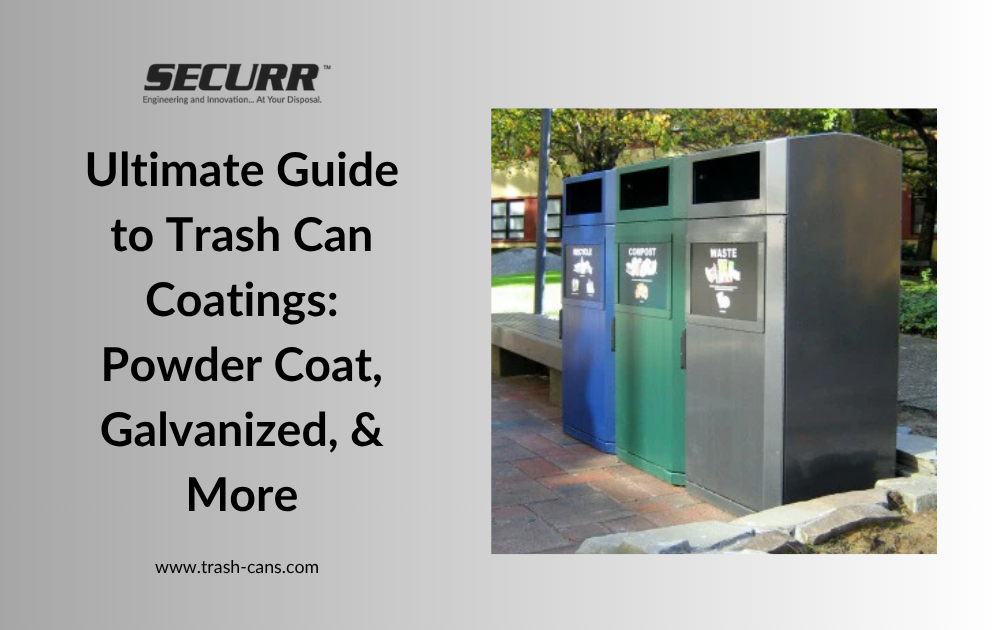
When investing in commercial or municipal waste receptacles, understanding trash can coatings is crucial. Coatings protect metal bins from rust, corrosion, and harsh environmental exposure — ensuring a longer life and better appearance. As a leading trash can manufacturer, Securr designs high-quality, U.S.-made waste enclosures that combine durability with aesthetic appeal. 1. Powder-Coated Trash Cans Powder coating is a popular choice for outdoor trash cans because it provides a tough, weather-resistant finish. The electrostatically applied powder is baked onto the metal, forming a hard layer that resists chipping, fading, and corrosion. Benefits of powder coating: Excellent UV resistance for outdoor use Wide variety of colors to match city or corporate branding Environmentally friendly (no harmful solvents) Securr’s powder-coated enclosures are ideal for parks, campuses, transit stations, and other public areas requiring long-term resilience. 2. Galvanized Steel Trash Cans Galvanization involves coating steel with a layer of zinc to prevent rust. This is one of the oldest and most proven corrosion-protection...
Waste Receptacles in Food Courts & Malls: Layouts That Work
Posted by Securr Blogger on
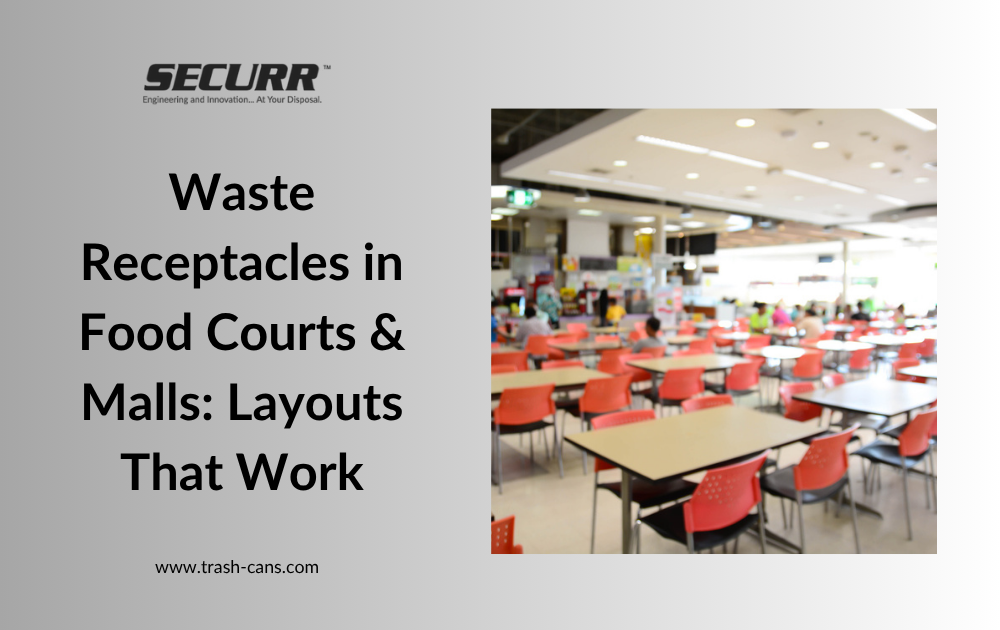
When it comes to maintaining cleanliness and efficiency in food courts and shopping malls, waste receptacle layout plays a crucial role. Proper placement not only keeps public spaces cleaner but also enhances the overall guest experience. As a trusted trash can manufacturer, Securr provides high-quality waste solutions that meet both design and functionality needs. The Importance of Strategic Waste Receptacle Placement Food courts and malls see thousands of daily visitors, which means constant food and packaging waste. Without well-placed trash cans, litter quickly accumulates, diminishing the facility’s appearance and hygiene standards. Key layout considerations include: Accessibility: Trash cans should be within 20–30 feet of dining areas and exits. Visibility: Receptacles should be easily identifiable from all angles. Flow Efficiency: Placement should follow the natural movement of patrons — near tray return stations, restrooms, and escalator exits. Balanced Distribution: Avoid clustering receptacles; spread them evenly throughout high-traffic zones. Why Choose Securr for Commercial Waste Receptacles As a leading U.S. trash can...
Trash Solutions for Cycling Paths, Trails & Greenways
Posted by Securr Blogger on

Keeping cycling paths, trails, and greenways clean isn’t just about aesthetics—it’s about safety, sustainability, and user experience. As a leading trash can manufacturer, Securr designs durable, weather-resistant, and easy-to-maintain waste receptacles tailored for public outdoor environments. Why Quality Trash Cans Matter for Outdoor Spaces Cycling and walking trails experience heavy public use and constant exposure to the elements. That’s why well-designed waste receptacles are essential. A trash can from a trusted manufacturer like Securr helps: Withstand the elements with corrosion-resistant galvannealed steel and a powder-coated finish. Simplify maintenance using side-opening doors that prevent lifting injuries and reduce servicing time. Blend into natural surroundings with customizable colors, finishes, and logo options. Support sustainability with paired recycling units for dual-stream collection. Securr: The Trusted Name in Trash Can Manufacturing Securr stands apart because they don’t just distribute outdoor waste bins—they engineer and manufacture them in-house, ensuring consistent quality and design flexibility. Their product line includes outdoor and indoor waste receptacles, bear-resistant and...